About Morphologix
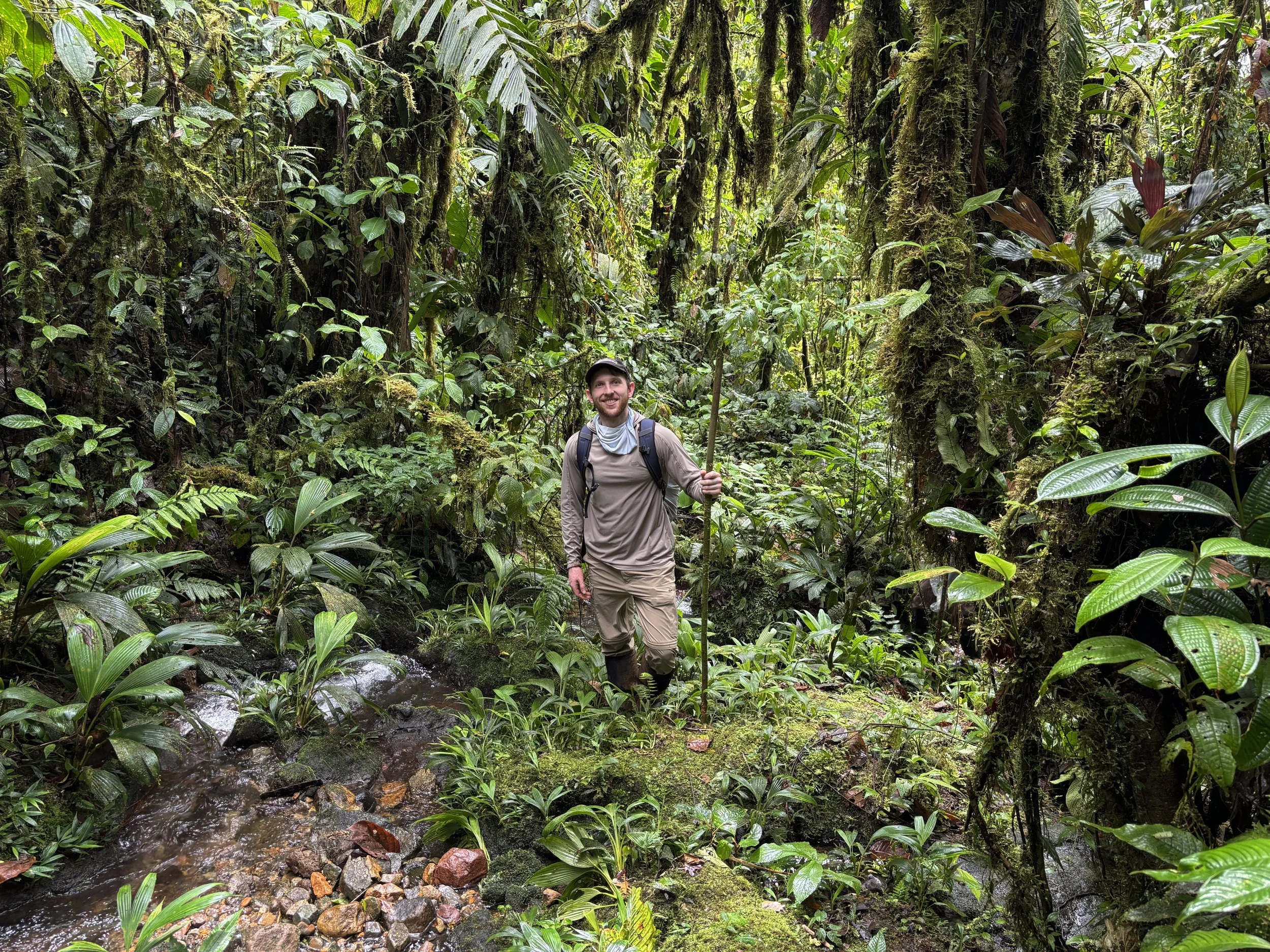
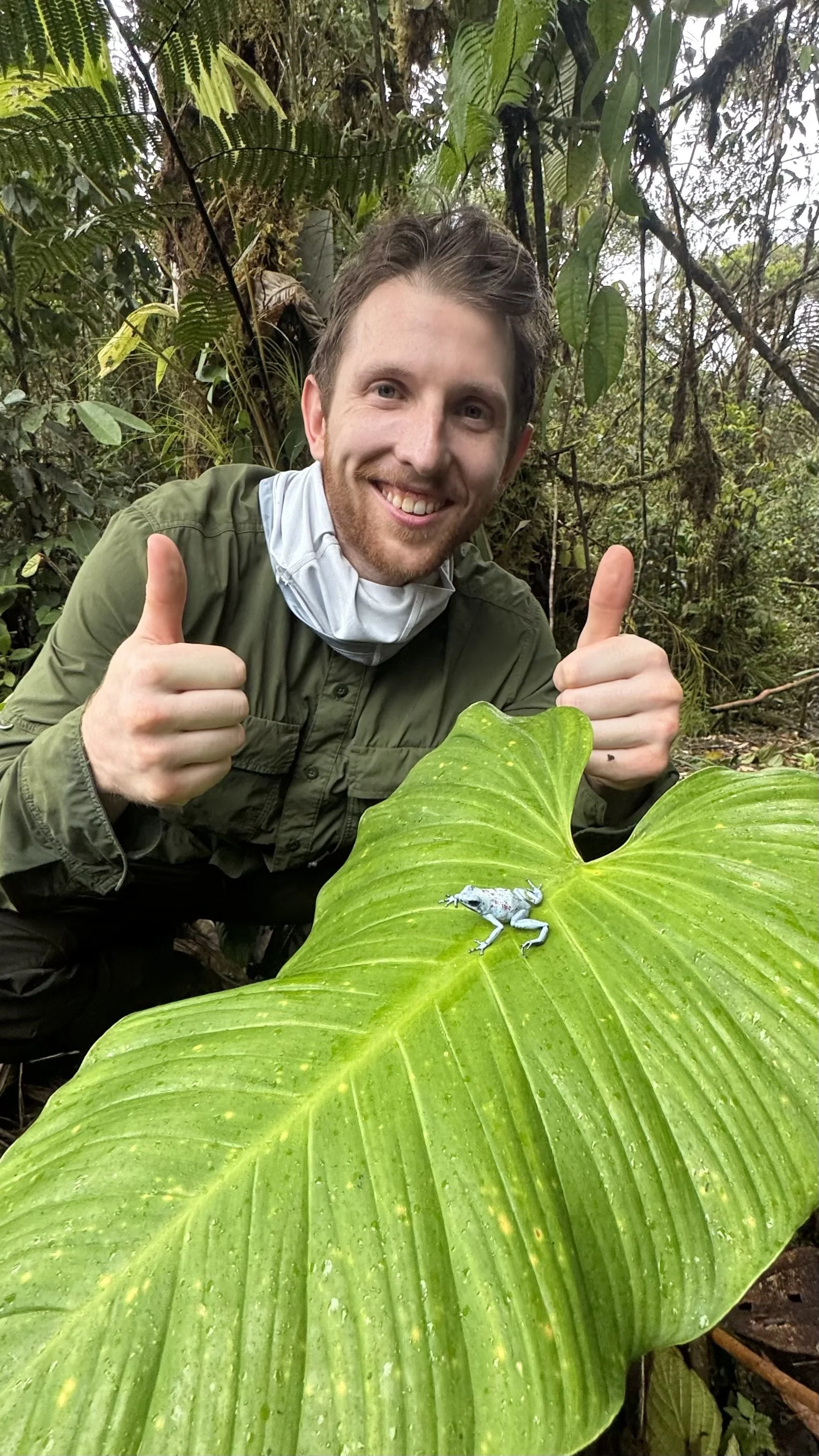
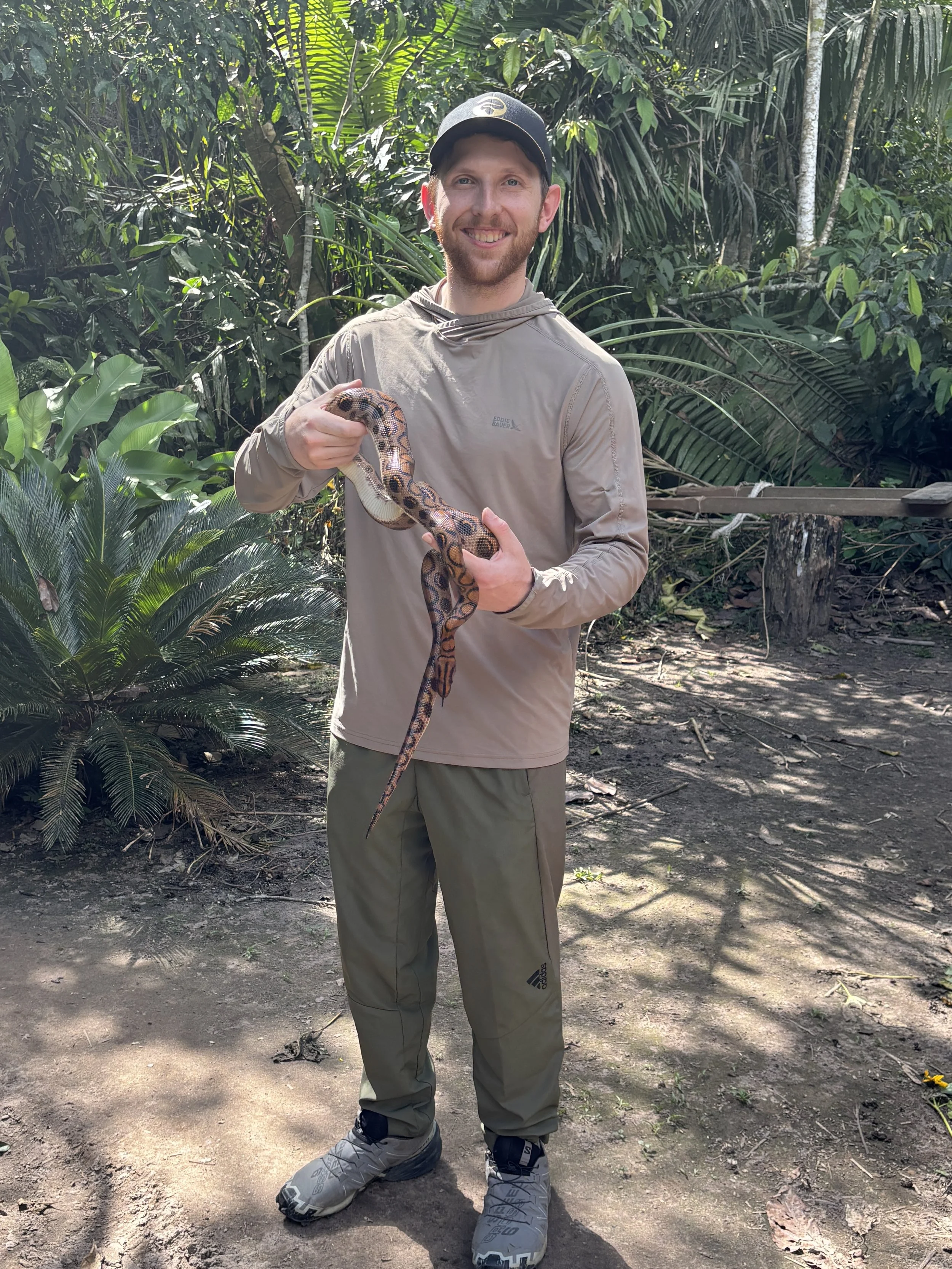
My name is Marcus Wolf, and I am the owner of Morphologix. I am a biologist, conservationist, and lifelong animal keeper whose life has always revolved around nature, wildlife, and the pursuit of better captive husbandry.
My interest in animal care began at a young age, when I set up my first tropical freshwater aquarium at eight years old. What started as a childhood hobby quickly grew into a lifelong obsession with aquatic systems, coral propagation, and the challenge of maintaining and reproducing delicate species in captivity. Over time, that same passion expanded into reptiles, amphibians, and the broader world of conservation-minded captive breeding.
While pursuing my bachelor’s degree in biology, I became deeply involved with reptile and amphibian keeping. In 2013, I acquired my first ball python and quickly became fascinated by the genetics, diversity, and long-term project potential of the species. Since then, I have spent years building a carefully selected collection focused on quality, visual impact, and strong genetic foundations.
From 2017 to 2021, I worked as a marine biologist at the Shedd Aquarium in Chicago, where I gained professional experience with advanced animal care, aquatic systems, and the larval rearing of challenging marine species. That experience helped shape the standards behind Morphologix today: thoughtful husbandry, healthy animals, responsible breeding, and a deep respect for the natural history of every species I work with.
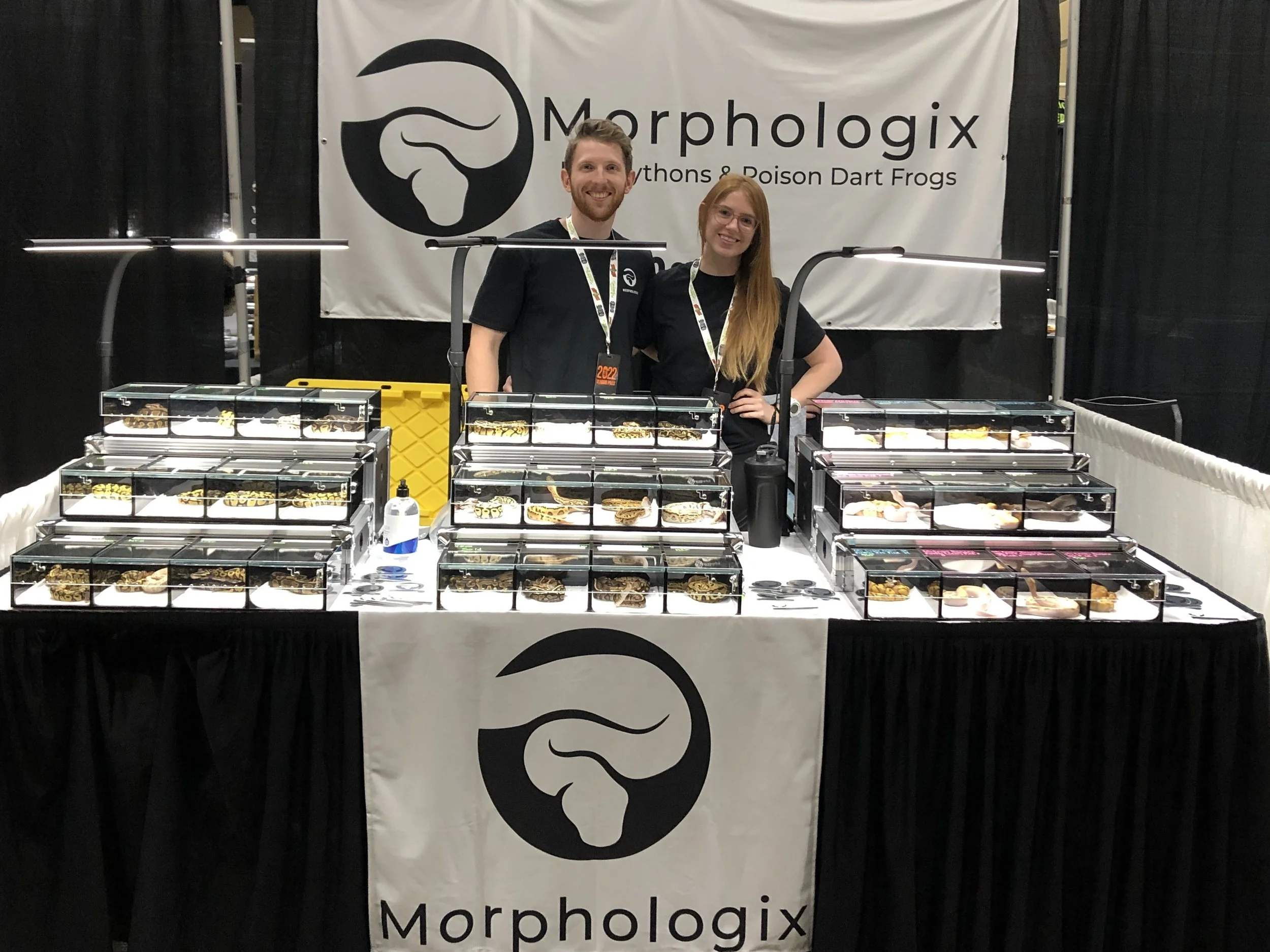
Today, Morphologix focuses on producing exceptional captive-bred ball pythons and poison dart frogs, while continuing to develop future projects in marine ornamental aquaculture. My goal is not simply to produce animals, but to build a brand rooted in quality, sustainability, education, and long-term contribution to the hobby.
Morphologix is the result of a lifelong passion for animals, biology, and the natural world. I’m grateful to share that passion through the animals I produce and the relationships I build with other keepers, breeders, and conservation-minded hobbyists.